
Water Heater Installation in Brea, CA
We provide water heater installation in Brea, CA for homes and businesses. The right system has to match your hot water demand, your fuel or power source, your installation space and the way your property actually uses hot water. Call us, tell us what you have now, and we will help you choose the right size and type.
Water Heater Installation in Brea, CA
A water heater installation should solve four things at the same time: capacity, compatibility, safety and serviceability. The new system should produce enough hot water for the property, work with the available gas or electrical infrastructure, fit the location correctly, and remain accessible for future maintenance and repair.
If any one of those four is ignored, a new heater can still leave the customer with poor recovery, inconsistent temperature, nuisance shutdowns, difficult maintenance or unnecessary installation changes.
Right Capacity
Storage volume, recovery or tankless flow should match real hot-water demand.
Right Infrastructure
Gas, electrical, venting, drainage and water connections must support the selected system.
Right Installation
Location, access, clearances and future service access matter after the new heater is installed.
Water Softener Installation in Brea, CA
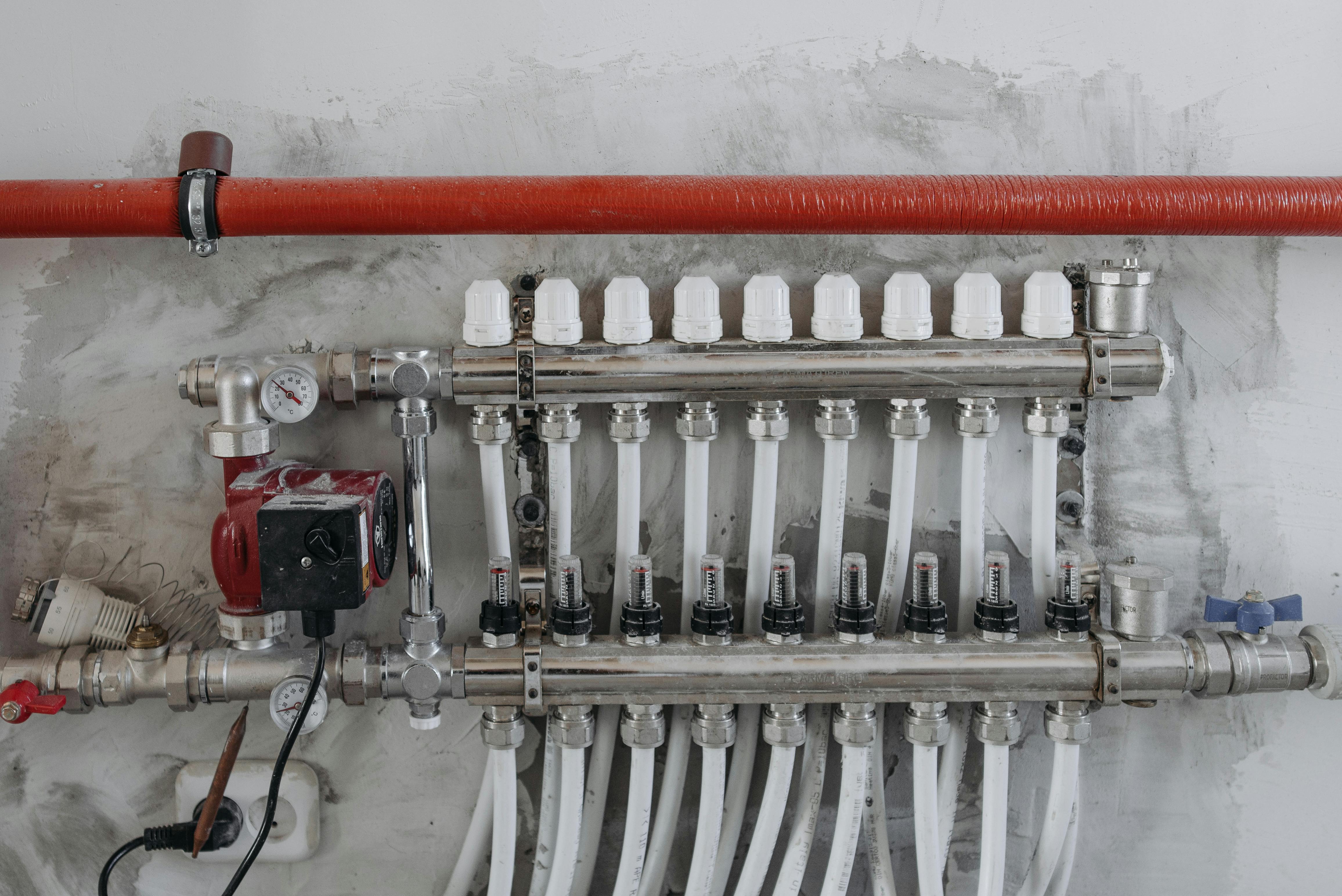
If you are considering water softener installation in Brea, CA, the right setup should match your property’s water use, plumbing layout, available space and maintenance needs. A properly planned system can help reduce mineral buildup in plumbing fixtures and water-using equipment while keeping the system easy to access and maintain.
We can help with water softener installation planning for Brea properties, including:
- Choosing the right system size for the property
- Reviewing the best installation location
- Checking plumbing connection points
- Planning drain and bypass access
- Making sure the system works properly with the existing water setup
- Keeping future maintenance and service access in mind
If you are adding a water softener alongside a water heater installation or replacement, it is useful to review both systems together so the plumbing layout stays clean, practical and easy to service.
Start With the Right Water Heater Type
Choosing the heater before understanding the property is backwards. Start with demand and infrastructure, then choose the technology that fits.
Storage Tank Water Heaters
A familiar option for homes and many small commercial properties. The key installation questions are tank capacity, recovery, fuel source, venting or electrical requirements, location and drainage.
Tankless Water Heaters
Tankless systems heat water on demand. Proper installation depends on flow rate, temperature rise, gas or electrical capacity, venting, condensate and service access.
Heat-Pump Water Heaters
Heat-pump systems add different planning questions such as airflow, space, electrical requirements, drainage and backup heating behavior.
Gas Water Heaters
Gas installation can involve gas supply, combustion, venting, burner controls, location conditions and safe access for future service.
Electric Water Heaters
Electric installations depend on available electrical capacity, circuit conditions, element configuration, tank sizing and the property’s hot-water demand.
Commercial Water Heating
Commercial systems may require greater storage, recovery, flow, redundancy or multiple-unit planning based on operating demand and fixture load.
Water Heater Sizing: Bigger Is Not Automatically Better
Correct sizing is one of the most important parts of water heater installation. A system that is too small can run out of hot water, recover too slowly or struggle during peak use. A system that is unnecessarily large can increase equipment cost, take more space and may not solve the actual problem.
For storage-tank systems, sizing should consider household or business demand, recovery capability and usage patterns. For tankless systems, sizing should focus on flow rate and temperature rise—how many fixtures may run together and how much the incoming water must be heated.
The goal is not to install the biggest unit available. The goal is to install a system that matches the property’s real demand with an appropriate margin.
- Number and type of fixtures using hot water
- How often multiple fixtures run at the same time
- Storage capacity and recovery needs
- Tankless flow requirement and temperature rise
- Residential vs commercial demand pattern
- Future changes that may increase hot-water use

A New Water Heater Must Match the Property Around It
The heater is only one part of the installation. The surrounding infrastructure can decide whether a project is simple or requires additional work.
Gas Supply
A gas water heater or gas tankless system must have a gas supply that is appropriate for the equipment and the total connected demand.
Electrical Capacity
Electric and heat-pump systems depend on available electrical service, circuit conditions and equipment requirements.
Venting
Gas-fired equipment may require compatible venting based on the system type, installation location and manufacturer requirements.
Drainage & Condensate
Drain pans, relief discharge and condensate handling can affect installation planning depending on the equipment and location.
Water Connections
Existing valves, piping, corrosion, shutoffs and connection layout should be evaluated before relying on the old setup.
Access & Service Space
A unit that fits physically still needs appropriate access for installation, inspection, repair and future maintenance.
Like-for-Like Installation vs System Conversion
A like-for-like installation generally keeps the same system type and location if the existing setup is suitable. A conversion changes the technology, fuel source, location or operating design. The conversion may be worthwhile, but it should solve a real problem rather than simply add complexity.
Tank to Tank
Usually focused on size, condition of existing connections, venting/electrical requirements and whether the new tank fits the existing location.
Tank to Tankless
Adds flow sizing, gas or electrical capacity, mounting, venting, condensate and service-valve considerations.
Fuel / Technology Change
Gas-to-electric, electric-to-heat-pump or other changes can require broader utility, space, airflow or drainage work.
Important: a conversion should be compared on total installed scope, not just equipment price. The right question is: “What changes are required to make this system work correctly in this property?”
How a Proper Water Heater Installation Is Planned
A strong installation process is diagnostic first. Before the old unit comes out, the property and demand should be understood.
1. Confirm the Reason for Installation
Is the old heater failed, leaking, undersized, being replaced preventively, or is the property changing system type?
2. Confirm Demand
Review how much hot water the property needs and whether the current system has been meeting that demand.
3. Evaluate the Location
Check space, equipment path, service access, drainage and any constraints around the installation area.
4. Check Utilities
Review gas, electrical, water connections, venting and other supporting systems relevant to the selected heater.
5. Select the System
Choose the type and capacity that fit both the demand and the property.
6. Install, Start & Verify
After installation, the system should be started, checked for proper operation and reviewed for any remaining installation concerns.
When Is a New Water Heater Installation Actually the Right Move?
Not every hot-water problem needs a new system. Replacement or new installation becomes more reasonable when the current equipment has a failure that cannot be economically or practically repaired, the storage vessel is leaking, the system repeatedly fails, or the property’s hot-water needs have changed beyond what the existing system can deliver.
If the failure is isolated and the system is otherwise sound, repair may still be worth considering. The installation decision should be based on the condition of the equipment and the problem being solved—not on age or one symptom alone.
What Affects Water Heater Installation Cost in Brea?
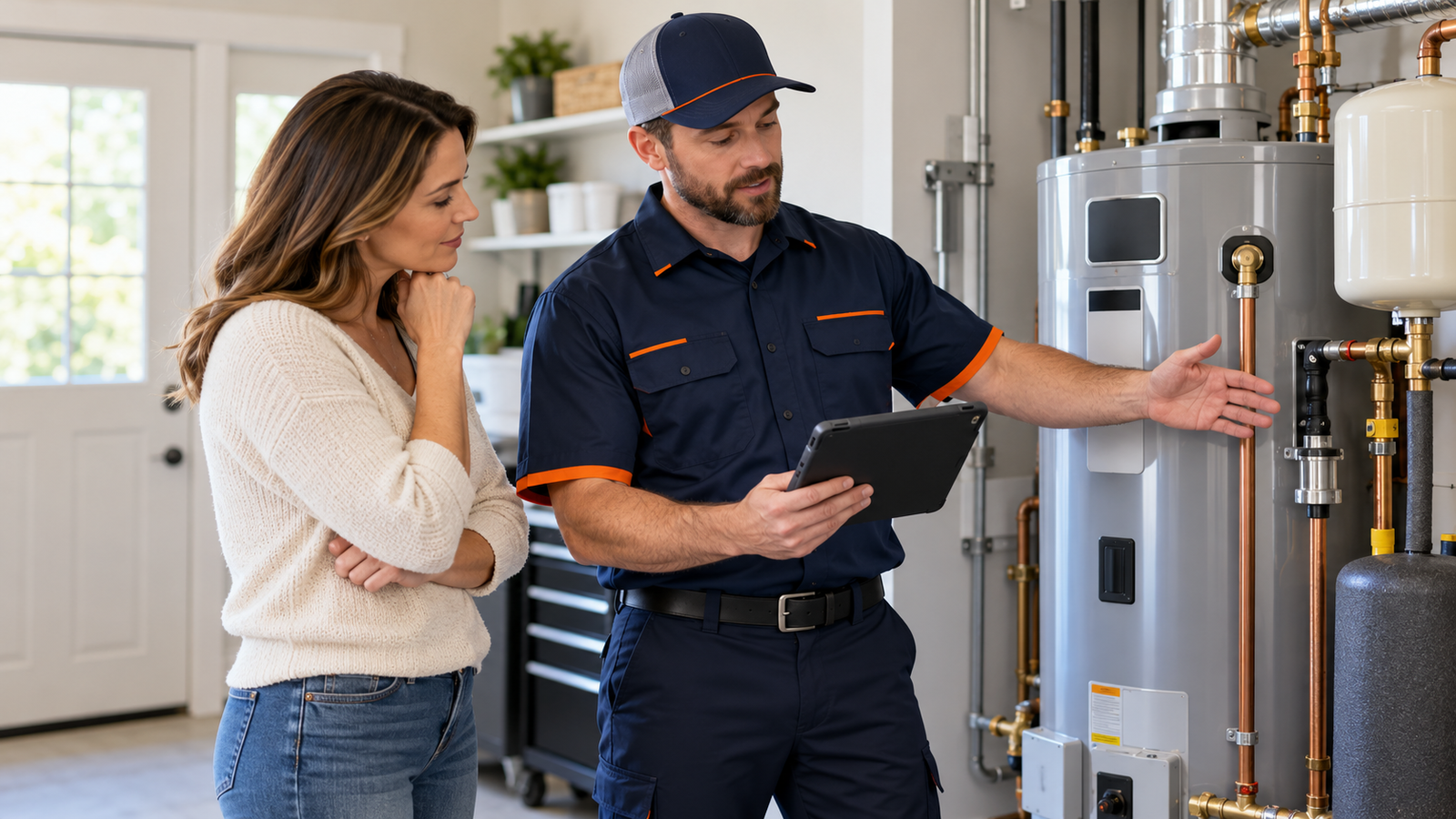
There is no responsible one-price answer for water heater installation without seeing the system and property. The installed cost depends on the equipment and the amount of work required to make it function correctly in that location.
System Type & Capacity
Storage tank, tankless, gas, electric and heat-pump systems have different equipment and installation requirements.
Same Location or Relocation
Moving a heater can add water, gas, electrical, venting, drainage and access work.
Existing Infrastructure
Old or unsuitable connections, venting, gas supply or electrical capacity can change the project scope.
Access & Removal
Tight closets, interior locations, stairs or difficult removal paths can make the installation more involved.
Code / Permit Scope
Project-specific permit, inspection or correction requirements can affect the job and should be confirmed for the property.
Technology Conversion
Changing from tank to tankless or changing fuel/technology can require supporting work beyond the new heater itself.
For a deeper breakdown, see our Water Heater Replacement Cost in Brea guide.
Tankless Water Heater Installation in Brea
Tankless installation is a sizing and infrastructure project, not simply a wall-mounting project. The unit must be selected around realistic fixture demand and temperature rise, then matched to the property’s gas or electrical capacity, venting, condensate and service needs.
- Required gallons-per-minute flow during peak use
- Incoming water temperature and needed temperature rise
- Gas line or electrical capacity
- Venting requirements for the selected system
- Condensate handling where applicable
- Recirculation strategy if used
- Service valves and maintenance access
Tankless Installation
Detailed service information for new tankless systems and conversions.
Tank vs Tankless
Compare capacity, flow, infrastructure, space and maintenance before choosing.
Tankless Repair
If an existing tankless system is failing, diagnose the fault before assuming replacement is required.
Where the Water Heater Is Installed Matters
Installation location affects more than appearance. It can change access, equipment choice, venting, drainage, utility routing and future serviceability.
Garage / Utility Area
Often provides easier access, but the installation still has to fit the equipment, connections, clearances and drainage needs.
Closet / Interior Location
Space, access, ventilation or venting, drainage and removal path become more important.
Commercial Mechanical Area
Demand, equipment size, multiple units, redundancy, maintenance access and operating continuity may shape the design.
A technically functional location can still be a poor installation if future service requires dismantling surrounding finishes or if critical components cannot be accessed easily. Installation planning should consider the next repair and maintenance visit, not only the day the new unit goes in.
Common Water Heater Installation Mistakes to Avoid
Choosing by Price Alone
The cheapest equipment does not help if it is undersized, incompatible with the property or expensive to convert around.
Copying the Old Size Automatically
The previous heater may have been incorrectly sized or the property’s hot-water demand may have changed.
Ignoring Utility Limits
A new system may need more gas, electrical capacity, venting or drainage than the old setup.
Assuming Tankless Fits Every Property
Tankless can be excellent when correctly sized, but flow and infrastructure must support it.
Ignoring Future Maintenance
Poor service access can make routine maintenance and repairs unnecessarily difficult.
Replacing Before Diagnosing
Some no-hot-water complaints come from repairable components rather than a failed or undersized heater.
Residential and Commercial Water Heater Installation
Residential Water Heater Installation
Residential planning centers on household demand, available space, fuel or power source, tank vs tankless choice, recovery, access and future service needs.
Commercial Water Heater Installation
Commercial projects can involve higher recovery demand, multiple fixtures, multiple units, tankless banks, redundancy, longer operating periods and tighter downtime considerations.
Water Heater Replacement
If the project is replacing a failed or aging system, compare repairability, condition, demand and the scope of the replacement before choosing equipment.
Water Heater Installation for Brea Properties
Our installation content is built around customers in Brea, California, including properties in the 92821 and 92823 ZIP codes and neighborhoods such as Downtown Brea, Blackstone, Olinda Ranch, La Floresta, Country Hills, Glenbrook, Sommerset, Country Road, Olinda Village and Eagle Hills.
Local relevance does not mean every Brea property gets the same recommendation. A home with a standard garage tank, a newer development with a tankless setup, an interior utility closet and a commercial property can require completely different installation planning.
The correct recommendation still comes down to demand, system type, infrastructure, location and the condition of the existing installation.

What to Have Ready Before You Request Water Heater Installation
You do not need to diagnose the system yourself. A few basic details can make the first conversation more useful.
- Current water heater type: tank, tankless, gas, electric or other
- Approximate tank size or model information if safely accessible
- Where the heater is installed
- What problem or limitation you are trying to solve
- Whether you want the same system type or are considering a conversion
- Any recent changes in household or business hot-water demand
- Photos of the heater and surrounding installation area if available
Water Heater Installation FAQs
A water-heater installation should be handled by a qualified service provider who can evaluate the system, demand, location, utilities and installation requirements. Our Brea water-heater service can help assess the project and the next step.
Sizing depends on actual hot-water demand. Storage systems are evaluated around capacity and recovery, while tankless systems depend heavily on simultaneous flow and temperature rise.
Possibly, but larger is not automatically better. The new size should match demand, available space, recovery or flow requirements and the property’s supporting infrastructure.
Yes, in many properties, but the conversion should be evaluated around flow demand, gas or electrical capacity, venting, condensate, mounting and service access.
Neither system is automatically better for every property. The decision depends on demand, available utilities, space, installation complexity, maintenance expectations and how hot water is used.
System type, capacity, access, location, existing connections, gas or electrical requirements, venting, drainage, removal, permits/inspection and any conversion work can change the total scope.
The schedule depends on the project. A straightforward like-for-like replacement can be different from a tankless conversion, relocation or system requiring utility or venting changes.
Not necessarily. No hot water can come from repairable controls, heating components, ignition problems, electrical issues or other faults. Diagnosis should come before replacement when the cause is unclear.
A leak from a connection, valve or other external component may be repairable. A confirmed leak through the storage vessel is a different condition and commonly points toward replacement.
A fuel change may be possible, but the property’s electrical capacity, installation space and other project requirements should be evaluated before choosing the new system.
Potentially. Space, airflow, electrical requirements, drainage, capacity and the installation environment should be checked first.
The evaluation should consider the current system, reason for replacement or installation, hot-water demand, location, access, water connections, fuel or electrical supply, venting, drainage and future serviceability.
Not automatically. The existing size may be correct, too small, too large or no longer appropriate because the property’s demand has changed.
It may be possible, but relocation can add plumbing, gas, electrical, venting, drainage and access work. The new location should be evaluated before equipment is selected.
Commercial demand can differ substantially from residential use. Recovery, storage, flow, operating hours, redundancy and multiple fixtures or units may affect system selection.
Ask why the recommended system fits the property, how it was sized, what changes are required, what is included in the scope, what could change the project, and what maintenance the new system will need.
Related Water Heater Services & Guides
Water Heater Repair
For leaks, no hot water, temperature issues and other faults where replacement may not be necessary.
Water Heater Replacement
For failed, leaking or unsuitable systems that need a new unit.
Replacement Cost Guide
Understand what actually changes water heater replacement cost in Brea.
Tankless Installation
Planning for flow, gas/electrical capacity, venting and condensate.
Repair vs Replacement
A decision guide for customers unsure whether the current system should be repaired or replaced.
Water Heater Inspection
Useful when the exact fault or installation condition needs to be evaluated first.
Planning Water Heater Installation in Brea? Start With the Property, Not the Product.
Tell us what system you have now, what you want to change, where the heater is located and what hot-water problem you are trying to solve. From there, the installation decision can focus on the right capacity, system type and project scope.
Request Water Heater Installation Help
Form placeholder: Add your preferred Elementor form / contact form here with fields for Name, Phone, Email, Property Type, Current Water Heater Type, Installation Location, Main Problem/Goal, and Message.
Need Help Deciding the Next Step?
Tell us what the heater is doing and what type of system is installed. You do not need to diagnose the failed part yourself.